


Elite UK REIT’s 10% rise in DPU signals fresh momentum, thanks to tighter cost control and strategic deal-making. The facts suggest its income profile is intact, but stubborn tenant and refinancing risks still cloud the horizon. Clarity about lease renewals will determine how this income story ends for Singapore portfolios.
Most investors want safety and growth. For two years, Elite UK REIT came up short on both counts—hit by Brexit fallout, tighter UK budgets, and higher interest rates. Distributions shrank, and confidence flagged. That trend broke in 2024: the REIT boosted its payouts, cut its debt, and signaled readiness for new growth. The central puzzle now is whether this bounce reflects real, lasting change or only a brief break in the clouds. This has major consequences for income-focused investors in Singapore watching for resilient options for CPF and SRS savings.
REIT with London’s Job Centres Makes a Yield Case—But Faces Big Renewal Questions
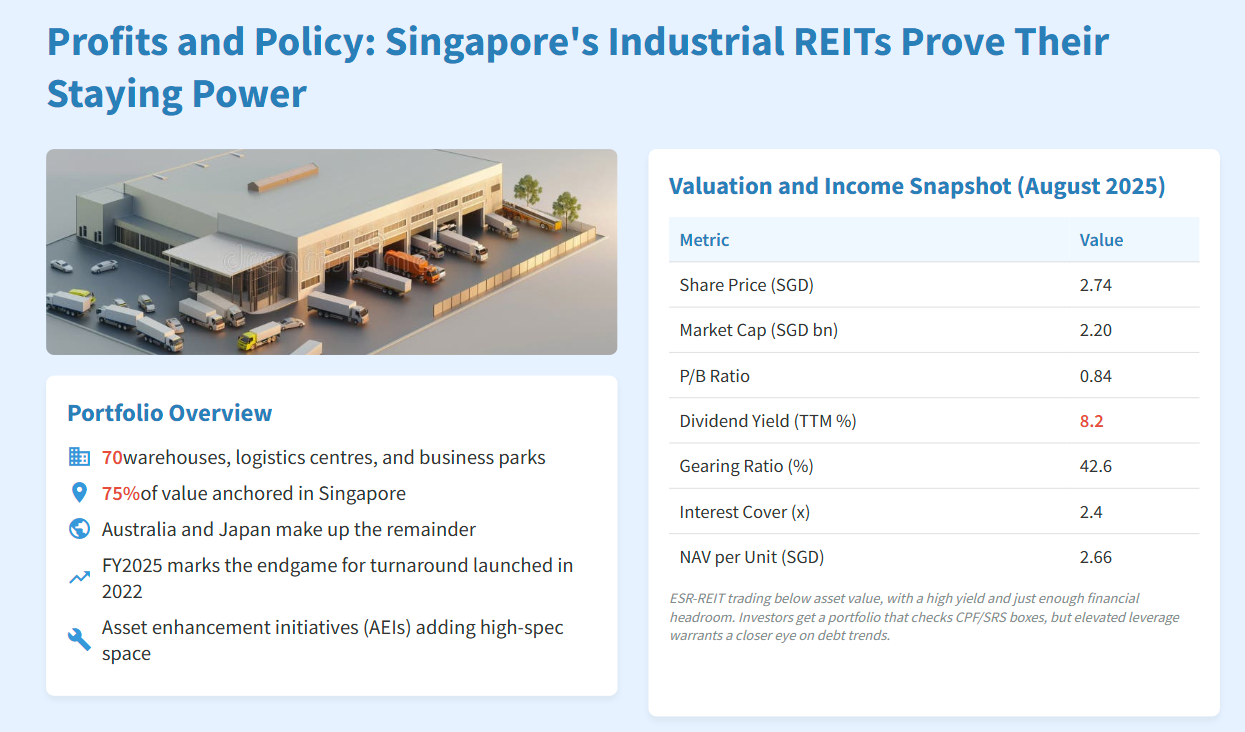
Elite UK REIT, listed on the Singapore Exchange as MXNU, is not your regular local S-REIT. It owns 150 commercial buildings in the United Kingdom, most leased long-term to the UK’s Department for Work and Pensions (DWP). About 92% of its gross rental income comes from this single tenant, the UK government’s welfare services arm. Over the past 12 months, Elite UK REIT’s core business recovered: distributable income rose 5.8% and DPU climbed 10% to 1.54 pence per unit. Analysts noted revenue moved only slightly, up 0.5% in the first half, with gains powered by cost control and smart refinancing.
CPF and SRS investors can buy Elite UK REIT under Singapore rules, making it a practical tool for tax-efficient, overseas property exposure. Trading below book—at 0.8x—and yielding nearly 9%, it promises strong income. Yet the market prices in big renewal and refinancing uncertainty, which keeps the discount wide for now.
Three Pillars of Recent Progress—How Elite UK REIT Got Back on Track
Good 1: Stronger Balance Sheet: Debt Down to Safer Levels
The company now sports a net gearing ratio of 40.7%, its lowest in two years. Divestments of less strategic assets—sold at a healthy average premium—improved the balance sheet ahead of interest rate headwinds. Lower gearing brings two advantages: it reduces financial risk and sharply cuts interest expenses. Lower rates have already saved the company roughly GBP2 million annually, lifting distributions almost straight to the bottom line. The mechanism is clear: disciplined asset sales and capital recycling deliver real, quantifiable gains for investors.
Why it matters: Singapore REIT rules cap gearing at 50%, and the market rewards REITs who cut risk before trouble hits.
Table: Debt and Funding Activity (Last 18 Months)
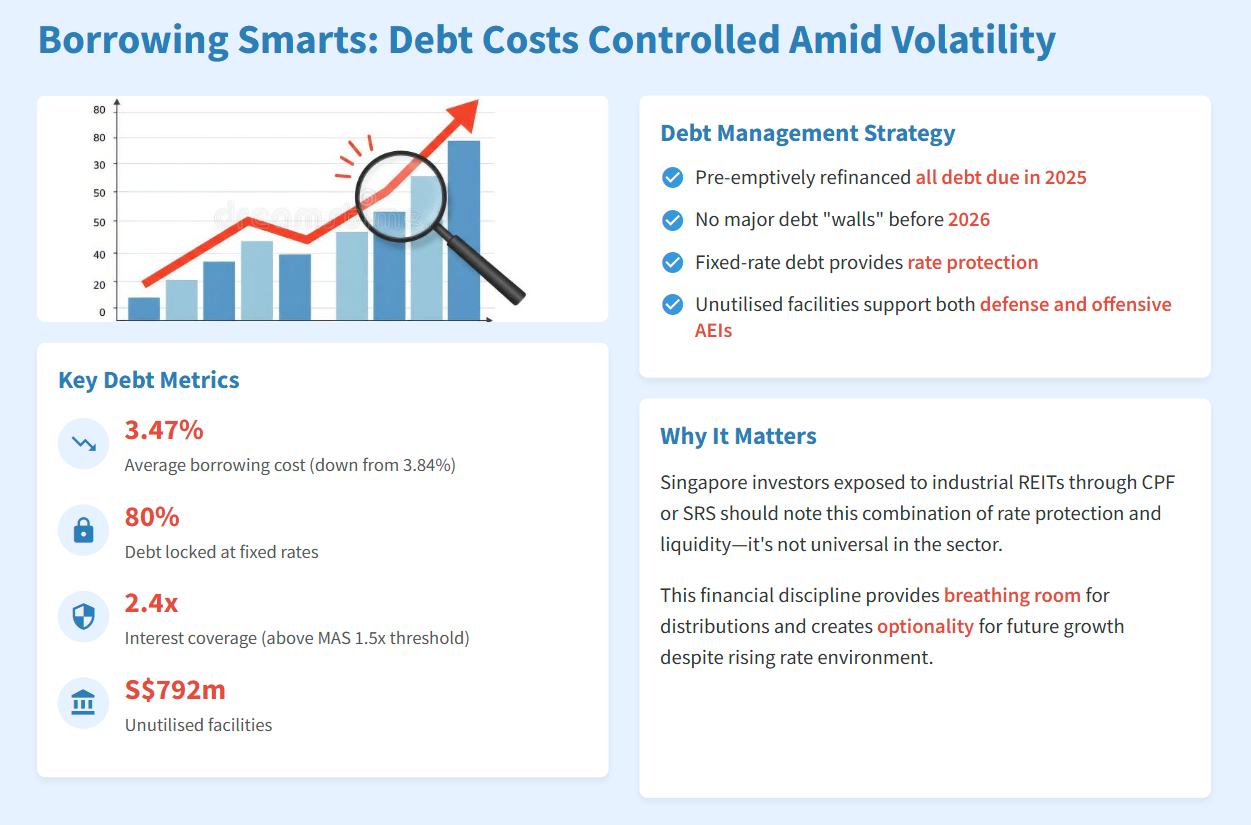
Caption: Tighter capital management allowed the REIT to lower its refinancing risk and create room for slow organic growth. Singapore investors benefit when S-REITs de-risk early instead of waiting for forced sales.
